Digital Promotions Reshaping Ticket Buying Habits in Suomi's Gaming World
Rosa Lorenz · Sep 23, 2026
Digital Promotions Reshaping Ticket Buying Habits in Suomi's Gaming World
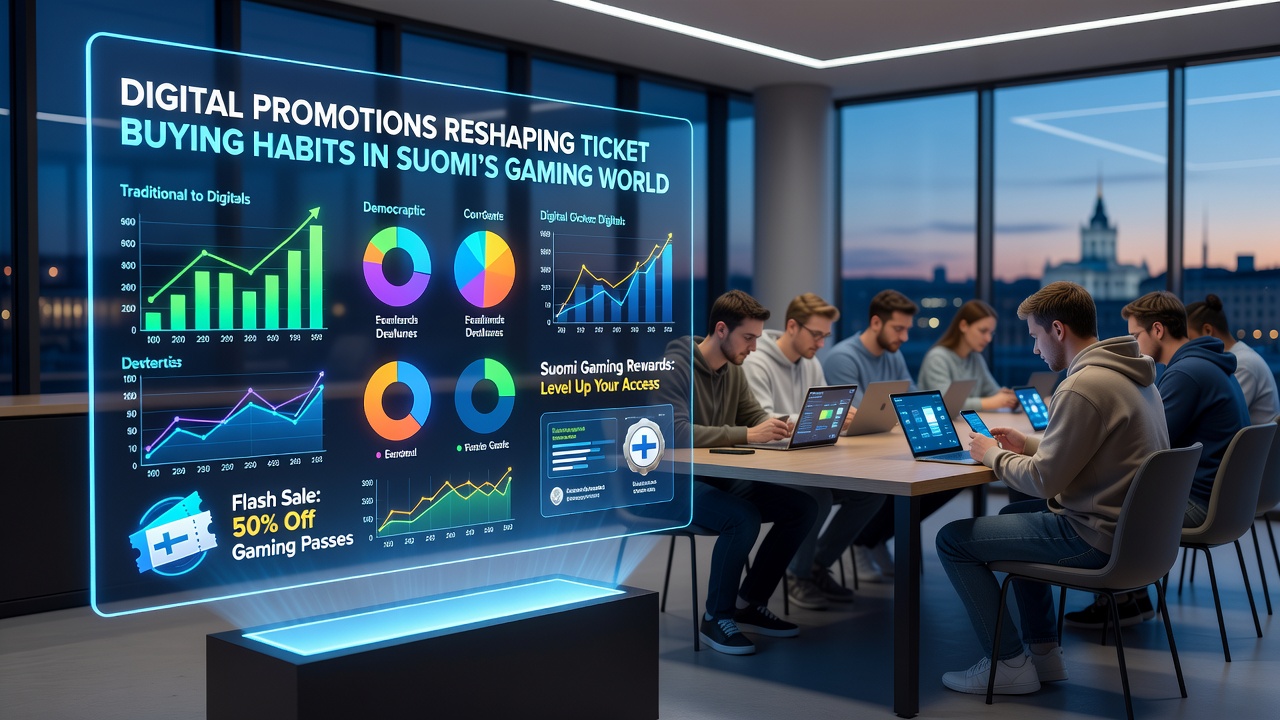
Finland's gaming sector has experienced steady growth in digital engagement over the past decade, and operators now deploy targeted promotions that reach players through mobile applications and web platforms. These initiatives combine time-limited discounts, loyalty points, and personalized notifications that appear at key moments during the purchase process. Data from industry monitoring shows that a growing share of ticket sales occurs online rather than at physical retail points, particularly in urban centers such as Helsinki and Tampere.
Platform Shifts and Promotion Mechanics
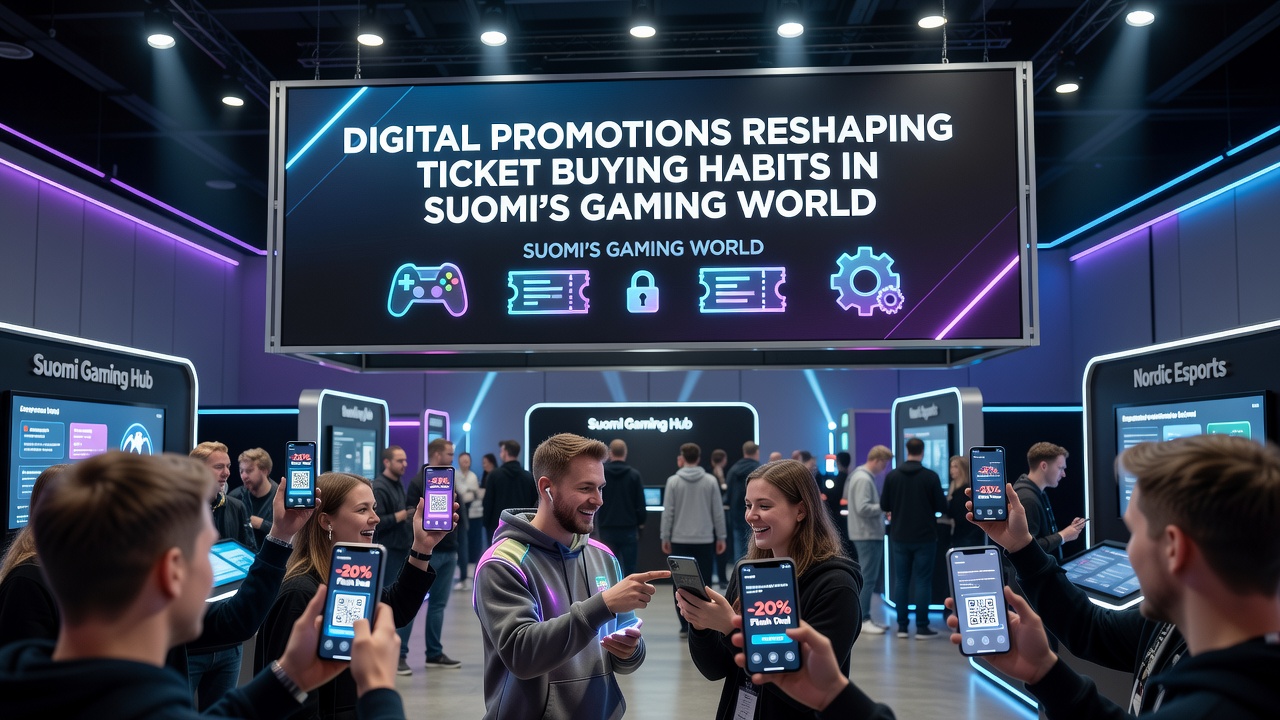
Operators in Suomi maintain state-regulated digital channels where users receive offers based on previous activity, location, or time of day. For instance, an evening notification might highlight a reduced entry fee for a draw scheduled later that week, while morning messages sometimes feature bundle options that combine multiple game types. Researchers tracking user behavior note that these prompts correlate with shorter intervals between visits to the platform and higher average transaction values per session.
September 2026 marks the scheduled rollout of updated digital advertising guidelines from the Finnish Ministry of the Interior, which will require clearer disclosure of promotional terms within apps. Industry observers expect this change to standardize how operators present bonus structures, yet early testing indicates that the volume of digital offers will continue to rise because mobile penetration remains high across the country.
Measured Changes in Purchase Patterns
Figures released by national gaming authorities reveal that online ticket acquisitions increased by double-digit percentages in several recent quarters compared with earlier periods. Players who receive push notifications complete purchases more frequently than those who rely solely on manual browsing, according to anonymized session logs analyzed by academic teams at Aalto University. The same logs indicate a shift toward smaller, more frequent transactions rather than occasional larger outlays, a pattern that aligns with the availability of micro-promotions delivered directly to devices.
Take the experience of one mid-sized operator that introduced a points-based rewards system in 2024. Participants who accumulated points through regular digital purchases gained access to exclusive draws, and subsequent internal reports documented a measurable uptick in weekly engagement rates. Similar programs now appear across multiple platforms, each calibrated to different demographic segments identified through aggregated usage data.
Regulatory Context and Industry Responses
The Finnish regulatory framework continues to emphasize responsible gaming measures while permitting digital innovation within defined boundaries. Operators must ensure that promotional content does not target individuals who have self-excluded, and compliance audits occur at regular intervals. European-level discussions on cross-border data standards also influence how Finnish platforms structure their offers, particularly when users travel or access services from abroad.
Industry associations such as the European Gaming and Betting Association have published comparative reports that place Suomi's adoption rates alongside those of neighboring Nordic markets. These documents highlight that digital promotions tend to accelerate when infrastructure supports seamless payment integration and when operators maintain transparent prize structures. Finnish operators have responded by refining their segmentation algorithms to balance commercial objectives with regulatory expectations.
Future Trajectories Through 2026 and Beyond
Analysts monitoring the sector anticipate further refinement of location-based and time-sensitive offers once 5G coverage expands into additional rural areas. Such developments could narrow the remaining gap between urban and regional participation rates. Meanwhile, ongoing studies examine how different promotional formats affect session duration and game selection, providing operators with granular feedback for iterative improvements.
Collaboration between technology providers and gaming companies has produced dashboards that track promotion performance in real time, allowing rapid adjustments to campaign parameters. These tools rely on anonymized datasets that comply with current data protection requirements, ensuring that individual identities remain protected while aggregate trends become visible.
Conclusion
Digital promotions have become integral to the operational landscape of Suomi's gaming sector, driving measurable changes in how and when players acquire tickets. Regulatory updates scheduled for September 2026 will introduce additional transparency requirements, yet the underlying trend toward mobile-first engagement shows no sign of reversal. Continued observation of usage patterns, combined with adherence to evolving guidelines, will shape the next phase of platform development in the region.